
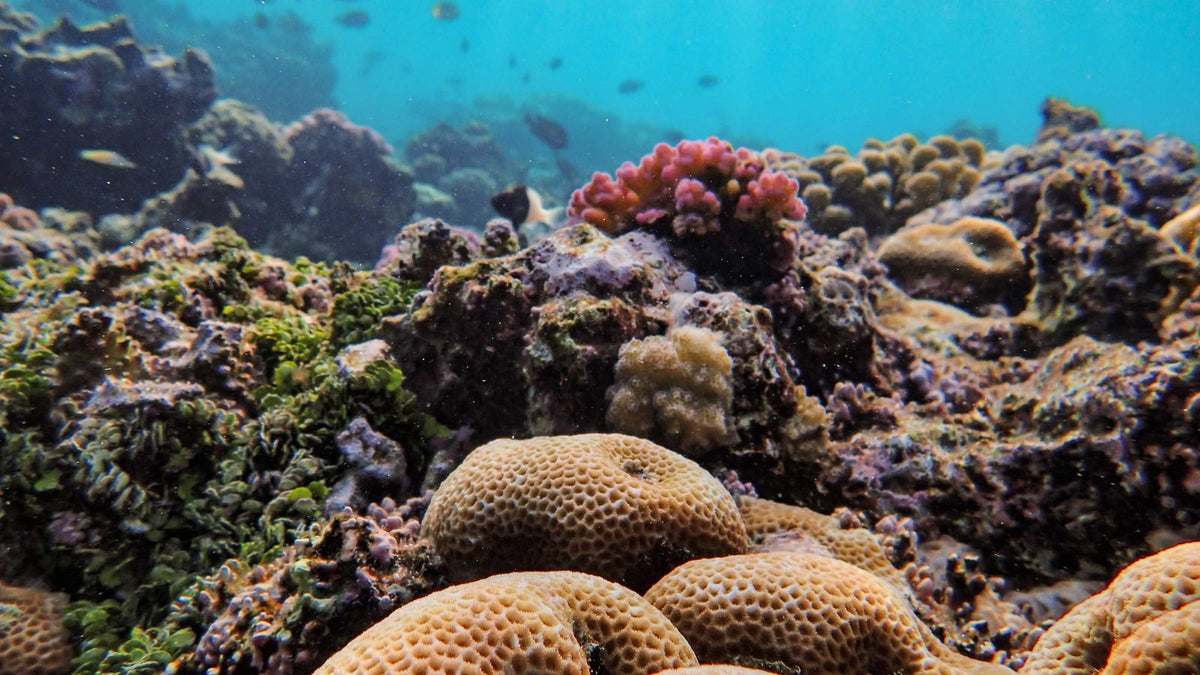
"Reef safe" is not an official certification. There's no body that audits it and hands out a seal — any brand can print it on the bottle. That's why it pays to know what to actually look for on the label. Here we explain what's banned, which ingredients to look for, and how to tell a genuinely reef-friendly sunscreen from one that just says so on the packaging.
What "reef safe" really means
The term came out of the laws that banned two chemical filters: oxybenzone and octinoxate, flagged in studies for contributing to coral bleaching. Hawaii was the first to legislate it, followed by Palau, Bonaire, parts of Mexico and other destinations. Since there's no formal certification, the practical rule is to read the active-ingredient list: if the filter is zinc oxide or titanium dioxide (mineral filters), you're on the safe side. If you see oxybenzone, octinoxate, octocrylene or avobenzone, it's no longer so clear.
Sunscreens that truly qualify (verifiable ingredients)
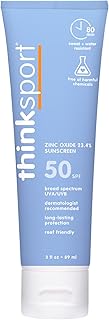
Thinksport SPF 50 Mineral Sunscreen
The brand's classic formula: solid mineral protection, with no oxybenzone or octinoxate.
Check price on Amazon →
Stream2Sea mineral sunscreen (reef-safe formula)
A reef-safe mineral sunscreen backed by testing on aquatic species.
Check price on Amazon →
ATTITUDE Mineral Sunscreen SPF 30 with zinc oxide
Zinc oxide with a clean-ingredient approach and reduced packaging.
Check price on Amazon →
Coral Isles SPF 50 (meets reef regulations)
Meets Hawaii-style regulations; an affordable beach option.
Check price on Amazon →

Kokua Sun Care mineral sunscreen
A mineral alternative from the same brand, with minimal ingredients.
Check price on Amazon →How to read the label in 15 seconds
Find the "Active Ingredients" box (it's always there, by law). If it says Zinc Oxide or Titanium Dioxide and nothing else, it's mineral. If you see names ending in -ate or -one (octinoxate, oxybenzone, homosalate, avobenzone), it's chemical. Watch for "non-nano" too: it means larger particles that aren't as easily absorbed by corals or by your skin. And be wary of any bottle that says reef safe but shows no mineral ingredients.
Frequently Asked Questions
Is reef safe an official certification?
No. There's no body that certifies the term, so any brand can use it. The reliable move is to check the active ingredients: mineral filters (zinc oxide, titanium dioxide) instead of chemical ones.
Which ingredients should I avoid?
Mainly oxybenzone and octinoxate, which are the ones banned in Hawaii and other destinations. Many guides also suggest avoiding octocrylene and homosalate.
What does 'non-nano' mean?
That the mineral particles are larger than 100 nanometers, so they don't penetrate the skin or get easily ingested by marine organisms. It's preferable in mineral sunscreens.
Do mineral sunscreens protect as well as chemical ones?
Yes, if they have adequate SPF and you apply them correctly. The difference is in the mechanism: mineral reflects the radiation off the surface of the skin; chemical absorbs it.
Put it to use where it counts: sunscreen for Guatemala's coast and the country's beaches.
As an Amazon Associate, I earn from qualifying purchases. The price you pay does not change.
More travel guides





From the El Paredón blog

Everything you need to know to visit El Paredón: how to get there, where to stay, what ...

El Paredón is the best surf destination in Guatemala. Waves for all levels, certified s...

The 10 most impressive beaches in Guatemala ranked: surf, nature, atmosphere, and acces...

Reasons to choose the Surf House in El Paredón: facilities, accommodation, surf lessons...

True story of learning to surf in El Paredón, Guatemala: lessons, first waves, wipeouts...

Ecotourism in El Paredón: mangroves, turtle release, migratory birds, and marine conser...