
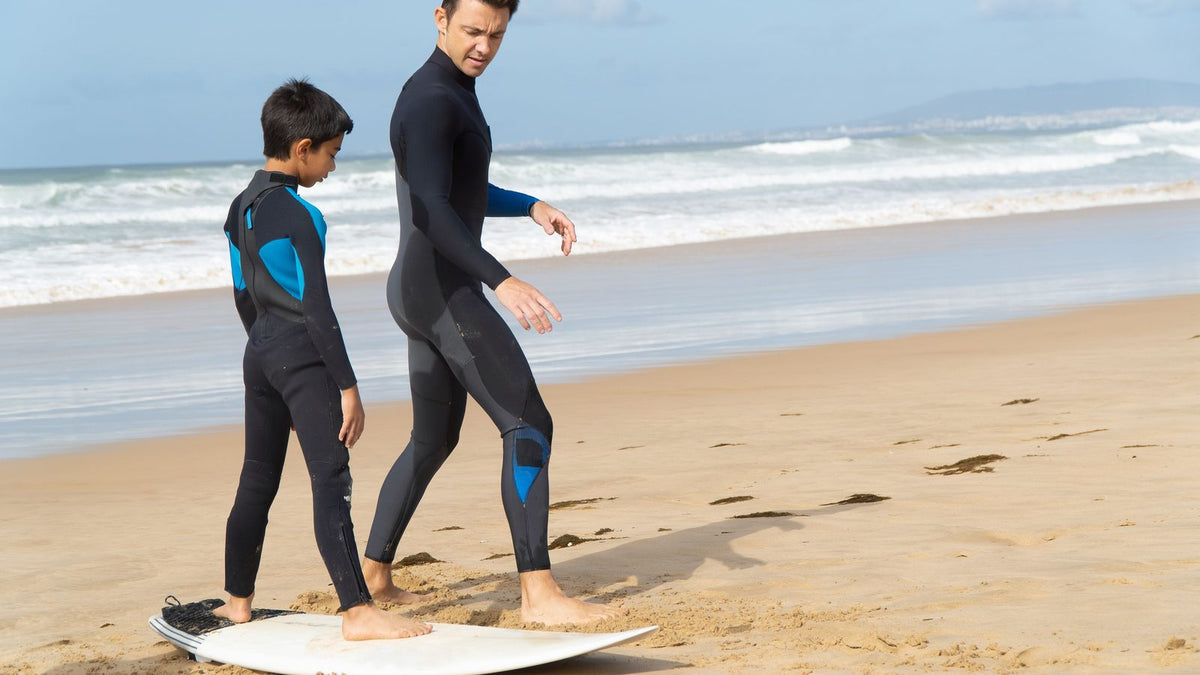
The stick solves two problems lotion doesn't: it doesn't run into your eyes when you sweat or come out of the water, and you can apply it to a kid in three seconds without a fight. For surfing, for your face and for travel (it doesn't count as a liquid in the cabin), it's the most practical format there is.
Why the stick wins at the beach
Three concrete advantages. It doesn't migrate into your eyes: the base is waxy, not liquid, so sweat doesn't carry it — decisive if you paddle or run. Targeted application: you can cover your nose, ears, cheekbones and the tops of your feet without wasting product. Travel: it's solid, the carry-on liquids rule doesn't apply, and it won't burst inside your pack. The downside: it doesn't go far for a whole body — it's a complement to lotion, not a replacement.
The sticks we recommend

Thinkkids SPF 30 Mineral Sunscreen Stick (0.64 oz)
A stick for kids: it goes on in seconds and doesn't get into their eyes.
Check price on Amazon →
Evereden Kids Mineral Sunscreen Stick SPF 30
A mineral stick for kids, with a smooth texture and fast application.
Check price on Amazon →
Neutrogena Beach Defense Kids Stick SPF 60+
An SPF 60+ kids' stick, high protection in solid form.
Check price on Amazon →
Mineral SPF 50 stick for kids (reef safe)
A reef-safe mineral SPF 50 stick built for children's use.
Check price on Amazon →
Sun Bum Kids SPF 50 Clear Face Stick
A face stick that works on wet or dry skin.
Check price on Amazon →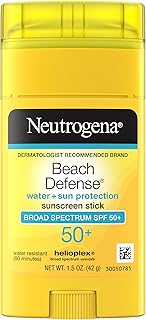
Neutrogena Beach Defense Stick SPF 50
A classic SPF 50 beach stick: cheap and easy to restock.
Check price on Amazon →How to apply it right
Run the stick 3-4 times over the same area: a single pass leaves less product than you'd think. Blend with your finger so it's even. With kids, apply before leaving the room, not on the beach with wind and sand. Keep it out of direct sun: if it gets too hot it softens and loses its shape. And bring two if it's several beach days — they don't go as far as a tube.
Frequently Asked Questions
Does a stick sunscreen protect as well as lotion?
Yes, if you apply enough product. The common mistake is running it over once: you need 3-4 passes per area to reach the thickness the label's SPF is based on.
Can I take a stick in carry-on luggage?
Yes. Being solid, it doesn't fall under the liquids restriction, unlike lotions and sprays, which do have to go in small containers or checked luggage.
Is it good for the whole body?
It's not practical: it doesn't go far and would take forever. Use it for your face, ears, nose, the back of your neck and the tops of your feet, and lotion for the rest of your body.
From what age can it be used on children?
Pediatricians usually recommend sunscreen from 6 months of age, favoring fragrance-free mineral formulas. Before that age, the advice is shade and clothing.
Related: sunscreen for Guatemala and the public beach at El Paredón.
As an Amazon Associate, I earn from qualifying purchases. The price you pay does not change.
More travel guides

From the El Paredón blog

Everything you need to know to visit El Paredón: how to get there, where to stay, what ...

El Paredón is the best surf destination in Guatemala. Waves for all levels, certified s...
The 10 most impressive beaches in Guatemala ranked: surf, nature, atmosphere, and acces...

Reasons to choose the Surf House in El Paredón: facilities, accommodation, surf lessons...
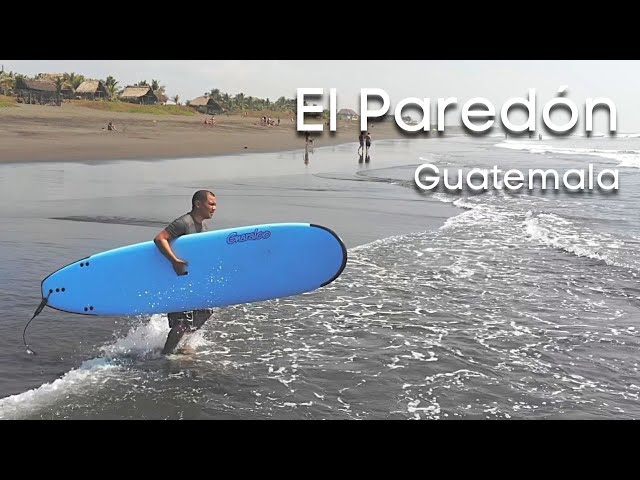
True story of learning to surf in El Paredón, Guatemala: lessons, first waves, wipeouts...

Ecotourism in El Paredón: mangroves, turtle release, migratory birds, and marine conser...