
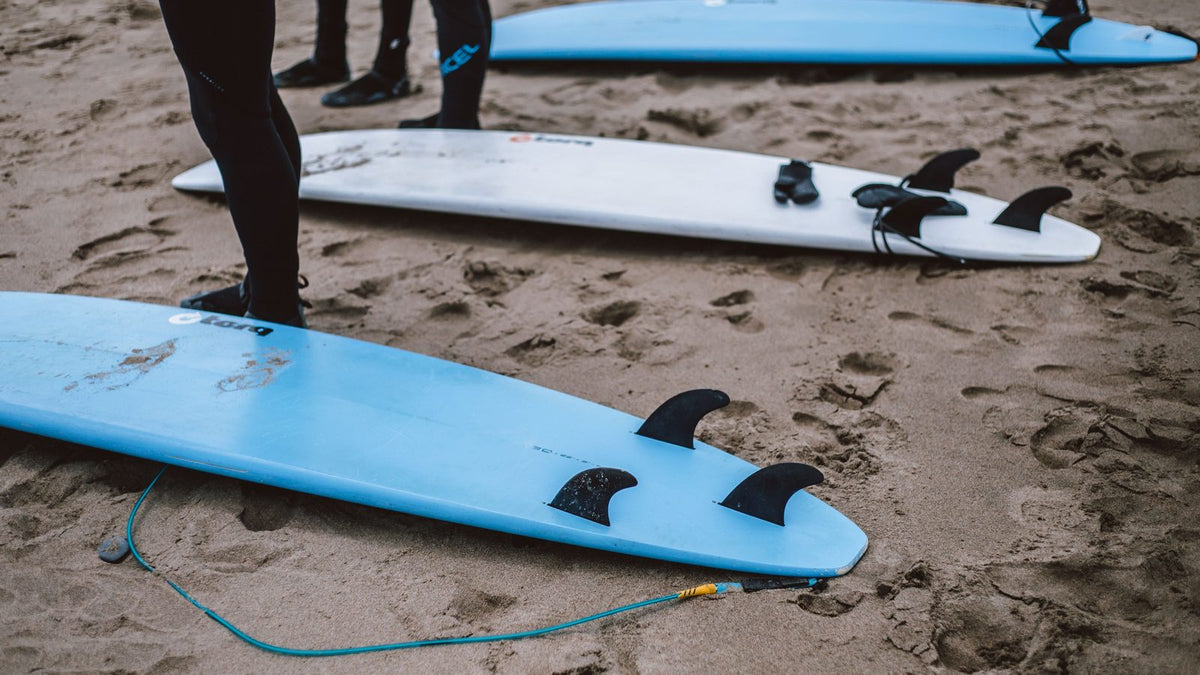
In El Paredón we teach lessons every day, and we always start with the same thing: a foam board. It's not about price — it's because it works. A soft top floats more, forgives paddling mistakes and, if it hits you, it won't split your brow open. This guide is what we tell anyone who asks us which board to buy to get started.
Why start on foam and not fiberglass
Four reasons we see in the water every day. Flotation: more volume = more waves caught = you learn faster. Stability: the width lets you stand up without it tipping onto its rail. Safety: a fiberglass board to the head sends you to the hospital; a soft top just hurts and that's it — and in a crowded lineup, that matters. Durability: it takes hits off the bottom and off other boards without cracking open. The fiberglass one comes later, once you're paddling and standing up on your own.
The boards and accessories to start with

Wavestorm 8ft Classic Surfboard Bundle (soft top foam)
The most complete pack to get started: an 8ft foam board with accessories included.
Check price on Amazon →
Wavestorm Classic 8ft and 7ft soft top (beginner pack)
A two-size pack (8ft and 7ft): handy if two people of different weights are learning.
Check price on Amazon →
Softech Bomber soft top surfboard
A better-built soft-top alternative, for anyone who's going to surf often.
Check price on Amazon →
Set of 3 fins for a soft-top board
A spare set of fins: the factory plastic ones break or get lost.
Check price on Amazon →
Dakine Kaimana Pro Comp leash 6ft
A reliable 6ft leash: the safety piece that's non-negotiable.
Check price on Amazon →
Ho Stevie! front traction pad (no wax)
A front traction pad: grip without having to wax the board.
Check price on Amazon →What size you need
Simple rule: the bigger, the easier. Average adult starting out: 8 feet is the sweet spot — enough volume to paddle and catch waves, still manageable to carry. If you weigh more than 90 kg or are very tall, look at 9 feet. Teens and lighter people can handle 7 feet. Don't give in to the temptation to buy short because it "looks cooler": on a small board you'll paddle a lot and surf little. In El Paredón we rent you a board if you want to try sizes before buying.
Frequently Asked Questions
What size board do I need to start?
For an average adult, 8 feet is the recommended standard. More weight or height, 9 feet. Lighter people or teens can go with 7 feet. The rule is: more volume, easier to learn.
How long do I use a foam board?
Until you paddle comfortably, stand up consistently and make basic turns: usually between 3 months and a year of regular practice. Many advanced surfers keep a soft top anyway, just for fun.
Does a foam board work in El Paredón?
Yes, it's what we use in lessons. El Paredón's beach break has powerful waves, and the soft top is the safest way to learn there, especially on medium-swell days.
Do I need to buy the leash and fins separately?
Many packs come with the leash and fins included. If you buy the board alone, the leash is mandatory for safety and the fins determine how much the board grips when you turn.
Learn here: surf lessons in El Paredón, surfing in Guatemala and the surf season.
As an Amazon Associate, I earn from qualifying purchases. The price you pay does not change.
More travel guides

From the El Paredón blog

Everything you need to know to visit El Paredón: how to get there, where to stay, what ...
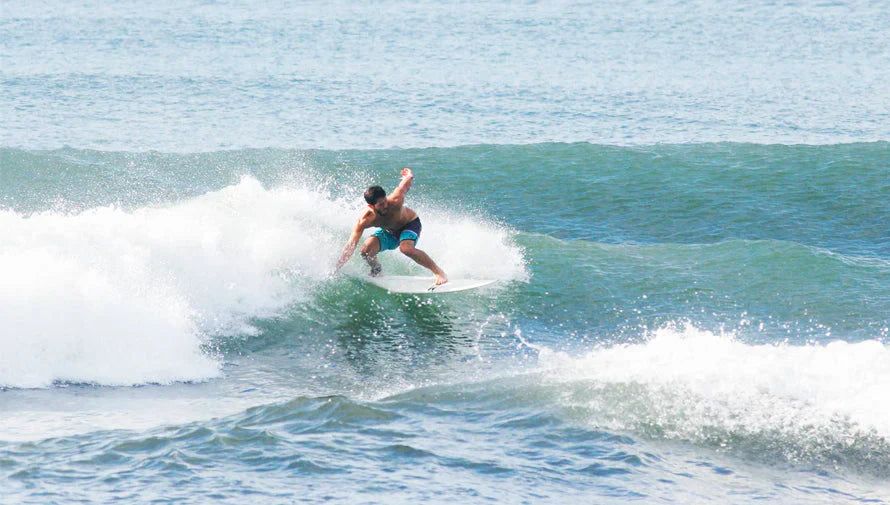
El Paredón is the best surf destination in Guatemala. Waves for all levels, certified s...
The 10 most impressive beaches in Guatemala ranked: surf, nature, atmosphere, and acces...
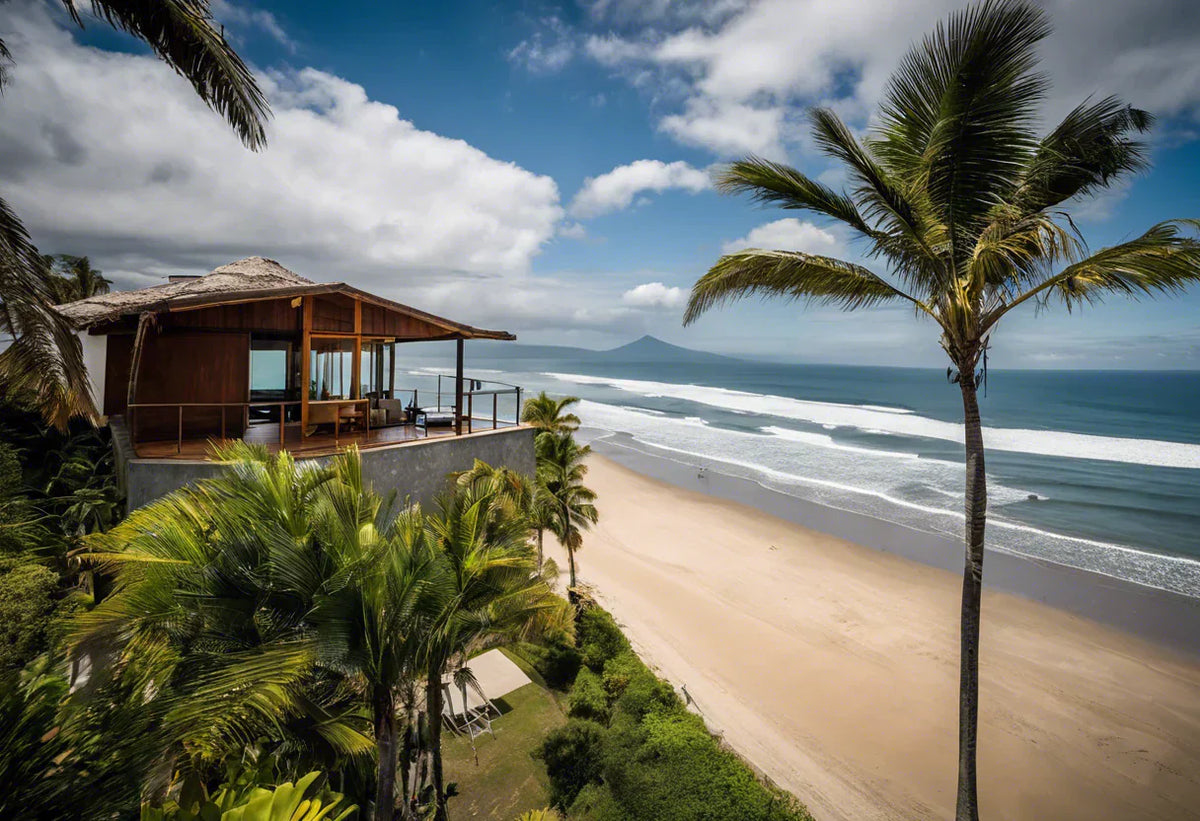
Reasons to choose the Surf House in El Paredón: facilities, accommodation, surf lessons...
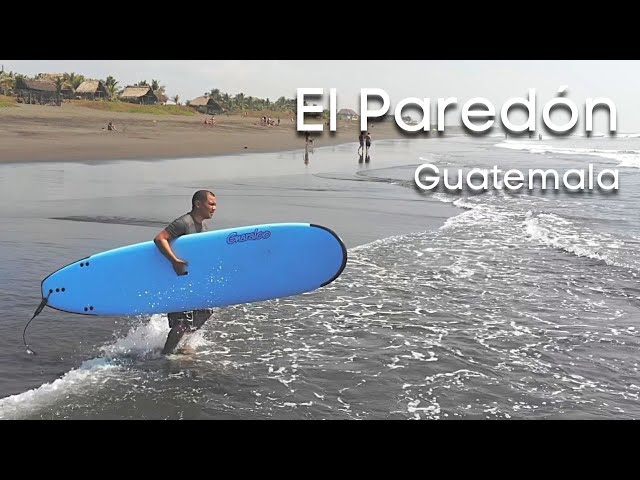
True story of learning to surf in El Paredón, Guatemala: lessons, first waves, wipeouts...

Ecotourism in El Paredón: mangroves, turtle release, migratory birds, and marine conser...