
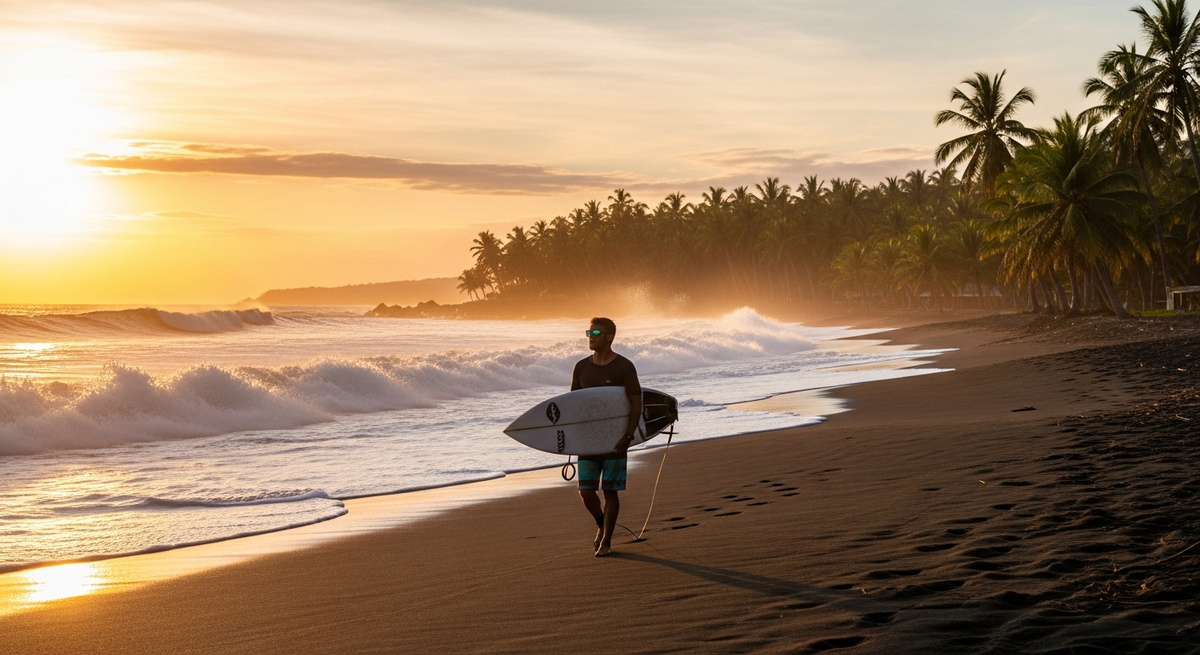
The Pacific sun at El Paredón is intense, and the glare bouncing off the water doubles the strain on your eyes. A good pair of polarized sunglasses isn't a luxury here — it protects your vision during boat rides, beach walks, and the hours you spend watching the lineup. Several of the picks below even float, so a rogue wave won't send them to the bottom of the ocean.
What to Look for in Surf & Beach Sunglasses
For a tropical beach trip, prioritize polarized UV400 lenses (they cut water glare and block both UVA and UVB rays), floating frames if you'll wear them on boats or near the shore break, a secure wraparound fit that stays put when you're active, and lightweight materials like TR90 or TPX that hold up to sand, salt, and getting tossed carelessly into a beach bag. A retention strap is a smart extra for boat tours.
Best Polarized Sunglasses for Beach & Surf 2026


Sunglasses Tips for El Paredón
El Paredón's black volcanic sand absorbs heat, but the glare off the water is relentless, especially between 10am and 3pm. Wear sunglasses even on cloudy days — UV rays cut through clouds in the tropics. During surf sessions most people leave their sunglasses on shore: bring a hard case and stash them in your day bag. For boat tours through the Sipacate mangroves, the winning combo is a floating frame plus a retention strap. Rinse them with fresh water after any salt exposure to keep the coating intact.
Frequently Asked Questions
Do I really need polarized lenses at the beach?
Yes. Polarization cuts the horizontal glare bouncing off the water's surface, which regular tinted lenses can't do. On Guatemala's Pacific coast, midday glare is strong enough to cause headaches and eye strain if you go without it.
Can I surf while wearing sunglasses?
Most surfers don't wear sunglasses in the water — waves rip them off. Floating water-sports frames with a retention strap work for casual longboard cruising or boat rides, but for regular surf sessions, leave them on shore and rely on a surf hat or squinting.
What are the best sunglasses for mangrove boat tours?
Floating polarized frames like the Waverider or KastKing Merced. If they go overboard, they stay on the surface, and the polarization lets you see beneath the water's surface — handy for spotting birds and fish in the estuary.
How do I protect my sunglasses from salt and sand damage?
Rinse them with fresh water after beach days, never wipe dry sand off the lenses directly with a cloth (it scratches them), and store them in a hard case inside your bag. Salt crust left overnight can permanently damage the lens coating.
Related reading: Best Reef-Safe Sunscreen for Surfers and Best Surf Watch 2026.
As an Amazon Affiliate, I earn from qualifying purchases. The price you pay does not change.
More travel guides
From the official blog
Everything you need to know to visit El Paredón: how to get there, where to stay, what ...

El Paredón is the best surf destination in Guatemala. Waves for all levels, certified s...
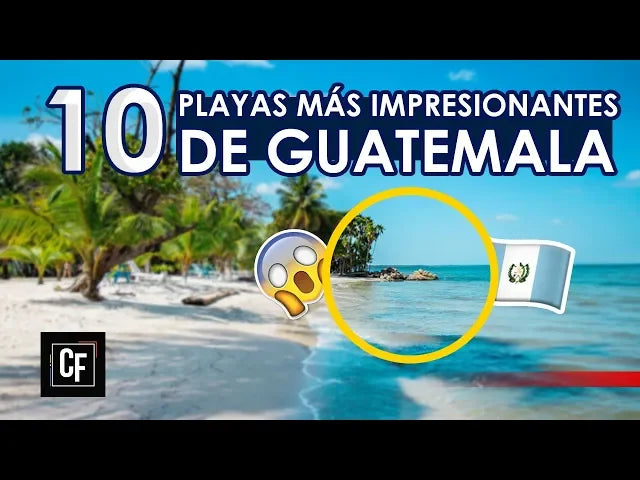
The 10 most impressive beaches in Guatemala ranked: surf, nature, atmosphere, and acces...
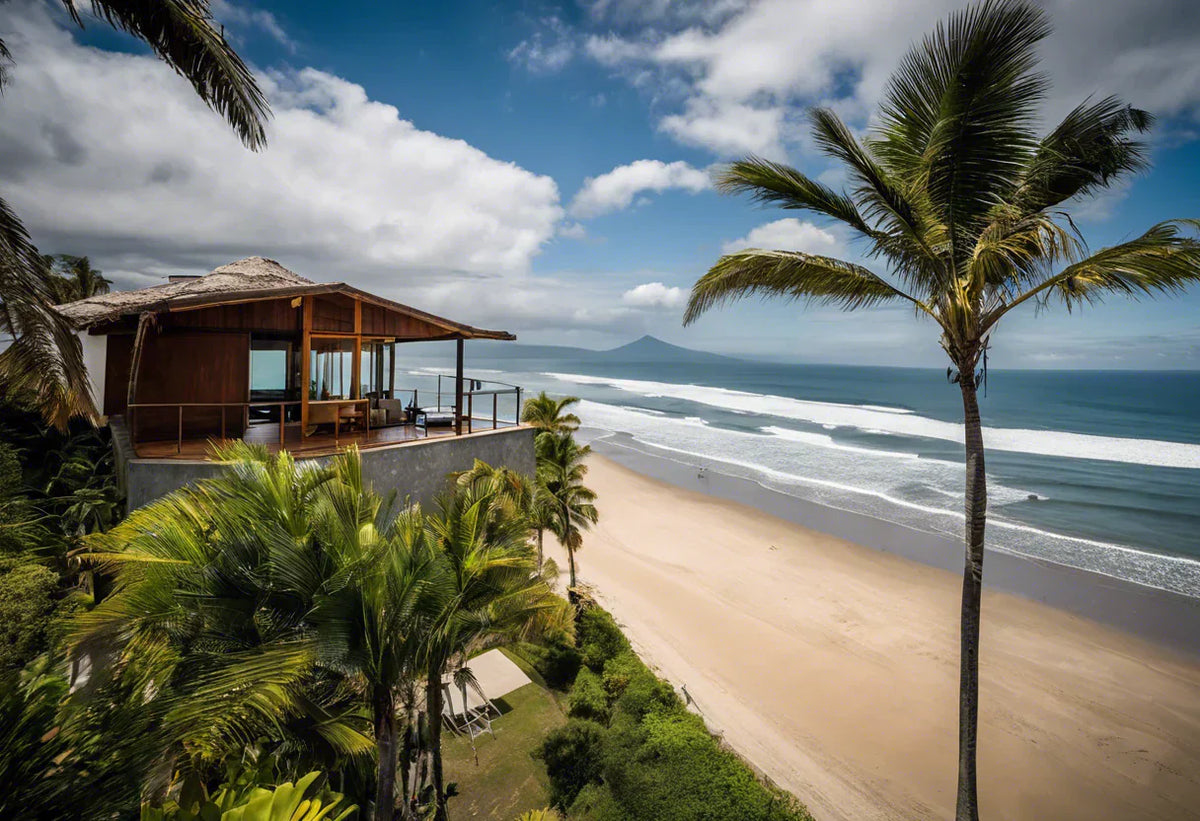
Reasons to choose the Surf House in El Paredón: facilities, accommodation, surf lessons...
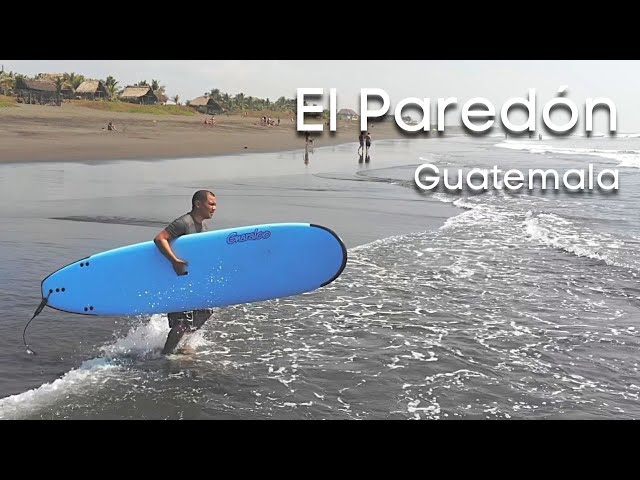
True story of learning to surf in El Paredón, Guatemala: lessons, first waves, wipeouts...
Ecotourism in El Paredón: mangroves, turtle release, migratory birds, and marine conser...