Playa, surf, hoteles y actividades en El Paredón, Sipacate
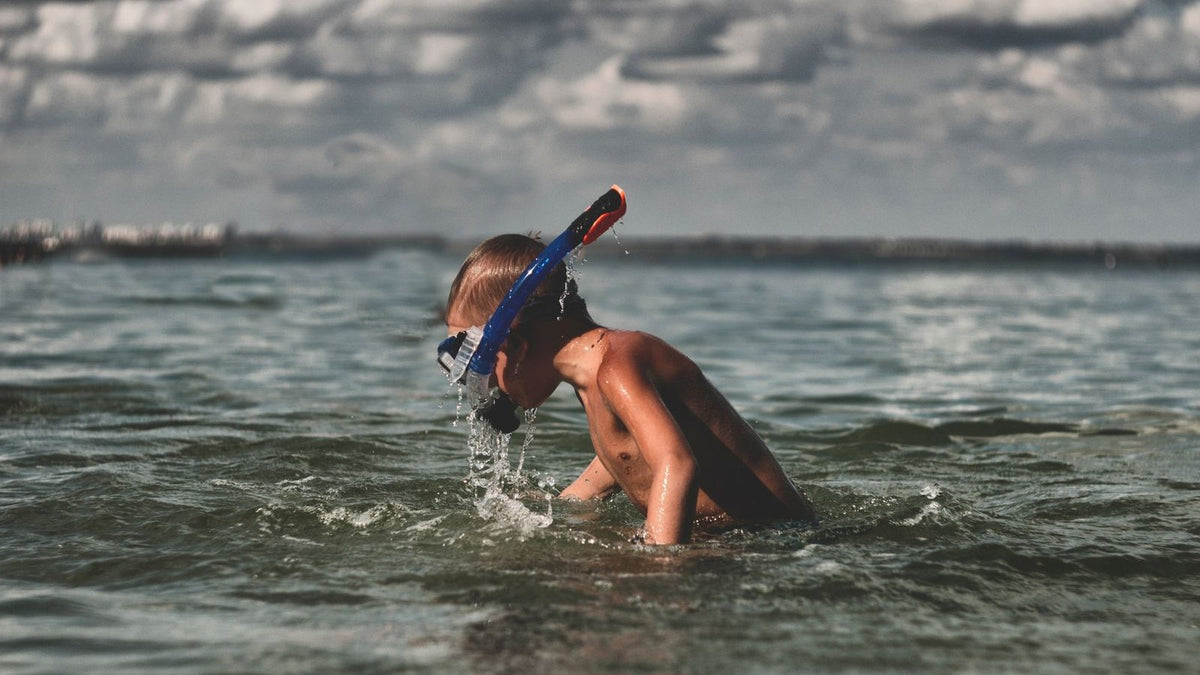
El Paredón ist eines der beliebtesten Strandziele in Guatemala, bekannt für seine entspannte Atmosphäre, seine Surfwellen und seine Nähe zur Stadt Guatemala. Dieser Pazifikstrand zieht einheimische und internationale Reisende an, die sich erholen, surfen und spektakuläre Sonnenuntergänge am Meer genießen möchten.
Wenn du dich fragst, was du in El Paredón unternehmen kannst, findest du hier Surfen, Unterkünfte direkt am Strand, Restaurants, Bars und perfekte Erlebnisse für Wochenendausflüge oder längere Urlaube. Es ist ein ideales Reiseziel für Rucksacktouristen, Paare, Familien und Surfer, die einen zugänglichen, authentischen Ort mit gutem touristischem Angebot suchen. El Paredón verbindet Natur, Gemeinschaft und Tourismus, ohne seinen Charakter als Küstendorf zu verlieren.
Wo liegt El Paredón Guatemala?
El Paredón Buena Vista liegt im Departement Escuintla an der Pazifikküste Guatemalas. Es befindet sich an der Mündung des Flusses Los Esclavos, innerhalb des Nationalparks Sipacate-Naranjo. Die ungefähren Koordinaten sind 14°00'N, 91°27'W. Um dorthin zu gelangen, musst du den Meeresarm mit einer Fähre von Sipacate überqueren (Q5, 10 Minuten).
Warum heißt es El Paredón?
Der Name "El Paredón" bezieht sich auf die natürliche Land- und Sandbarriere, die den Meeresarm vom Pazifik trennt – wie eine "Wand" zwischen dem Binnengewässer und dem Ozean. Diese geografische Formation ist typisch für Küsten mit Sandbänken und Küstenlagunen entlang der guatemaltekischen Pazifikküste.
Geografische Merkmale des Strandes
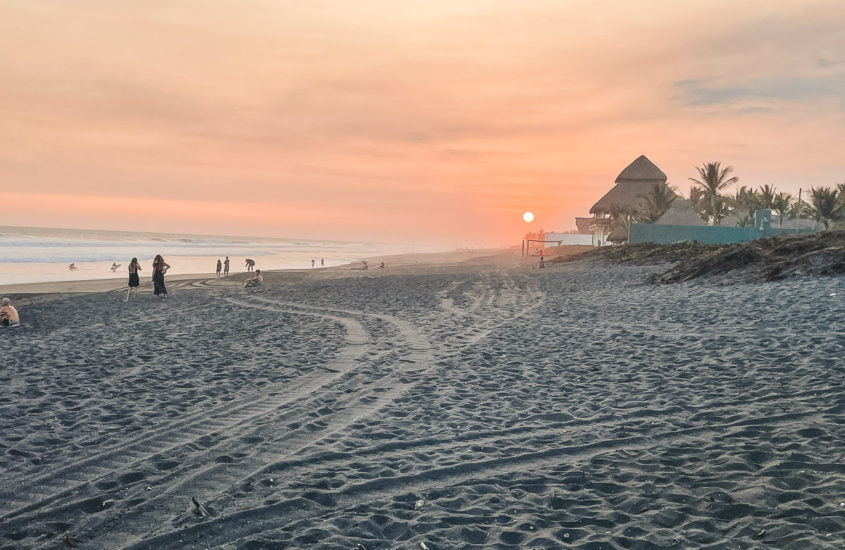
- Schwarzer Vulkansand: charakteristisch für die guatemaltekische Pazifikküste. Der Sand nimmt mehr Wärme auf als weißer Sand, daher empfiehlt sich das Tragen von Sandalen.
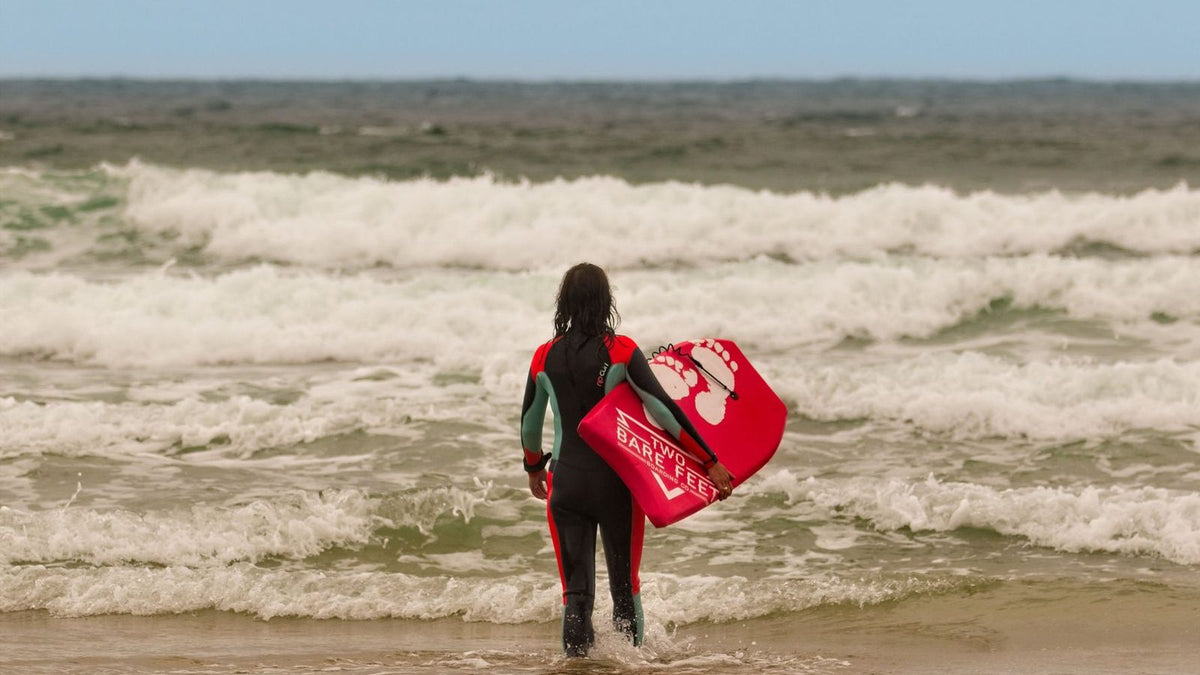
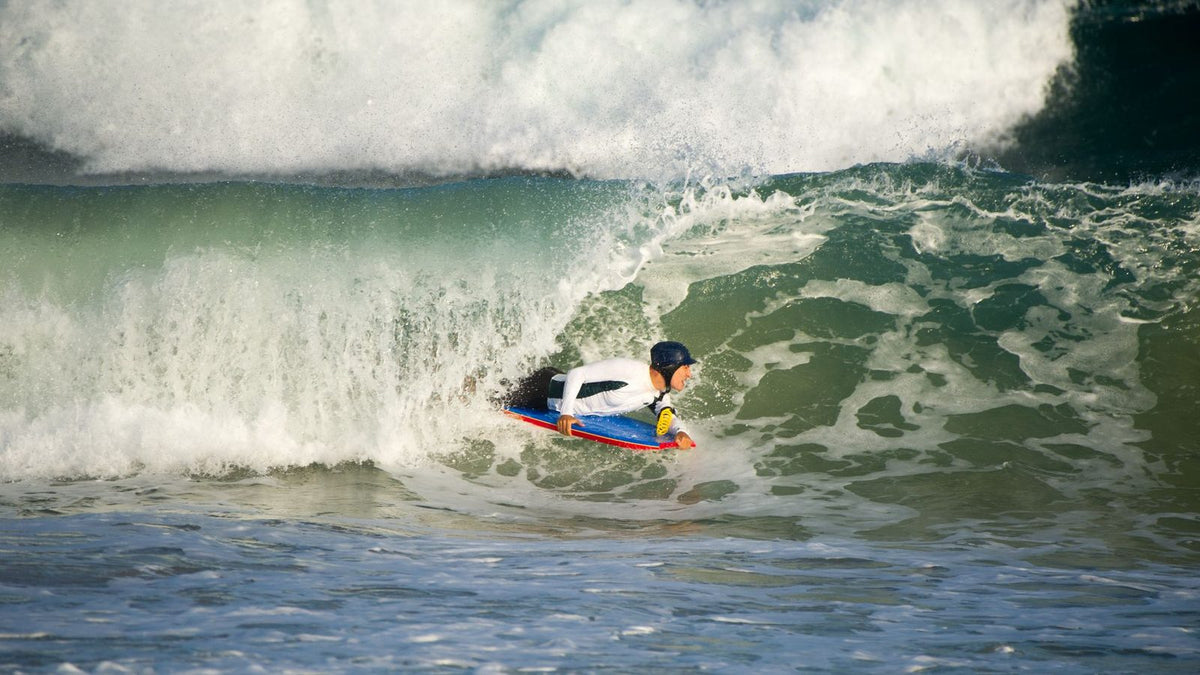
- Beach-Break-Wellen: brechen auf Sandboden in einer Höhe von 1–2,5 Metern je nach Saison. Ideal zum Surfen.
- Mangroven-Ökosystem: der Canal de Chiquimulilla und der Meeresarm säumen den Strand, mit einer reichen Artenvielfalt an Vögeln und Krokodilen.
- Meeresschildkröten: El Paredón ist ein wichtiger Nistplatz für Lederschildkröten und Unechte Karettschildkröten. Die örtliche Schildkrötenstation setzt von September bis Dezember Jungtiere frei.
Klima und beste Reisezeit
El Paredón hat das ganze Jahr über ein warmes und feuchtes Klima. Die Durchschnittstemperatur liegt bei 28–34°C. Die Trockenzeit (November–April) bietet sonnige Tage und ruhigere Meere. Die Regenzeit (Mai–Oktober) bringt größere Wellen – perfekt zum Surfen – und weniger Touristen.
Ist El Paredón Guatemala sicher?
« Startseite | El Paredón GuatemalaWenn du deine Reise entlang des Pazifiks erweitern möchtest, solltest du Puerto San José Guatemala nicht verpassen – der wichtigste Hafen der Küste und Ausgangspunkt vieler maritimer Abenteuer.
Möchtest du surfen lernen? Die Surf Camps in El Paredón bieten Kurse, Surfbrett und Unterkunft direkt am Strand in All-inclusive-Paketen.
Lies auch unseren Reiseführer darüber, wie du vom Lago Atitlán nach El Paredón kommst.
Verwandte Reiseführer
- Hotels am Strand in Guatemala
- Hotel am Strand Guatemala
- Haustierfreundliches Hotel in Guatemala
- El Paredón Beach — Guatemala Pacific Coast (English)
- How to Get to El Paredón Guatemala (English)
Entdecke alles über El Paredón
Preguntas frecuentes
¿Dónde queda El Paredón Guatemala?
¿Qué se puede hacer en El Paredón?
¿Es El Paredón bueno para surf?
¿Dónde hospedarse en El Paredón?
¿Cuándo es la mejor época para visitar El Paredón?
¿El Paredón es un destino caro?
¿Vale la pena visitar El Paredón Guatemala?
Sigue explorando