Photograph El Paredón with the right equipment
El Paredón beach offers spectacular settings for photography: sunsets over the Pacific, surfers in action, mangroves, sea turtles, and the daily life of local fishermen. To capture these moments, you'll need the right equipment: waterproof cameras, appropriate lenses, UV filters for the intense tropical light, and protective accessories against sand and salt. Here you'll find everything you need to photograph El Paredón like a professional.
Preguntas frecuentes
What kind of camera is best for El Paredón beach?
For the beach, a waterproof camera or an action camera like a GoPro is recommended. If you're bringing a DSLR or mirrorless, use a protective case and a UV filter to protect it.
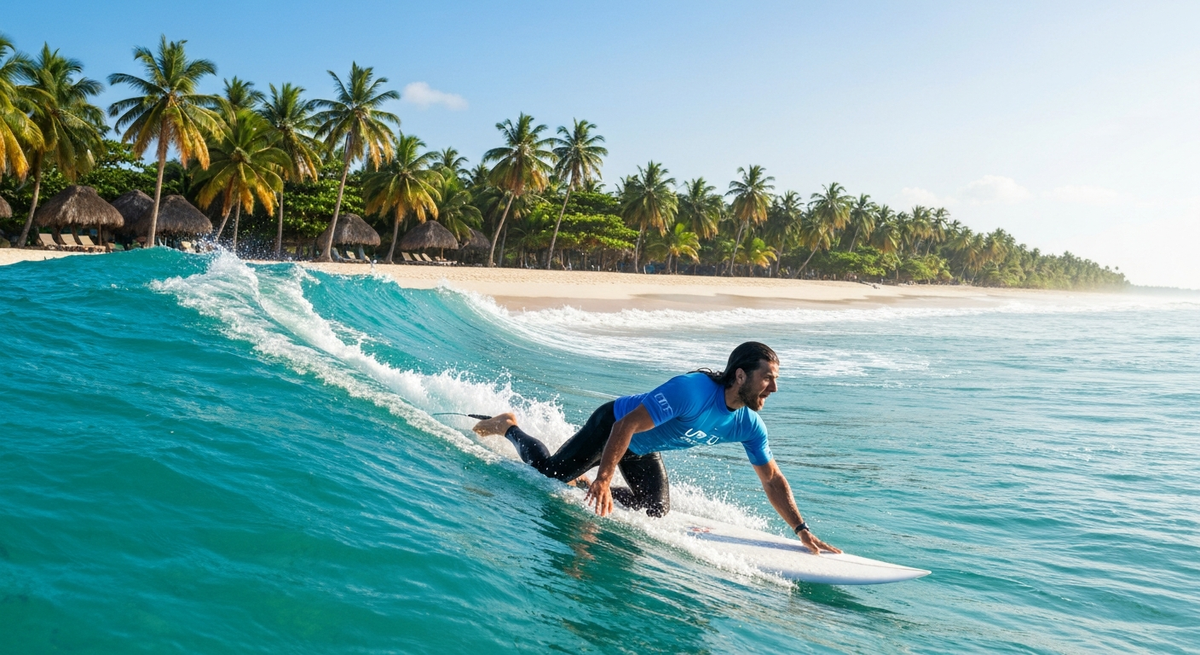
Can I photograph the surfing at El Paredón?
Yes, El Paredon has great waves for surf photography. You'll need a telephoto lens (200-400mm) if shooting from the beach, or a waterproof camera with a housing if you want to get in the water.
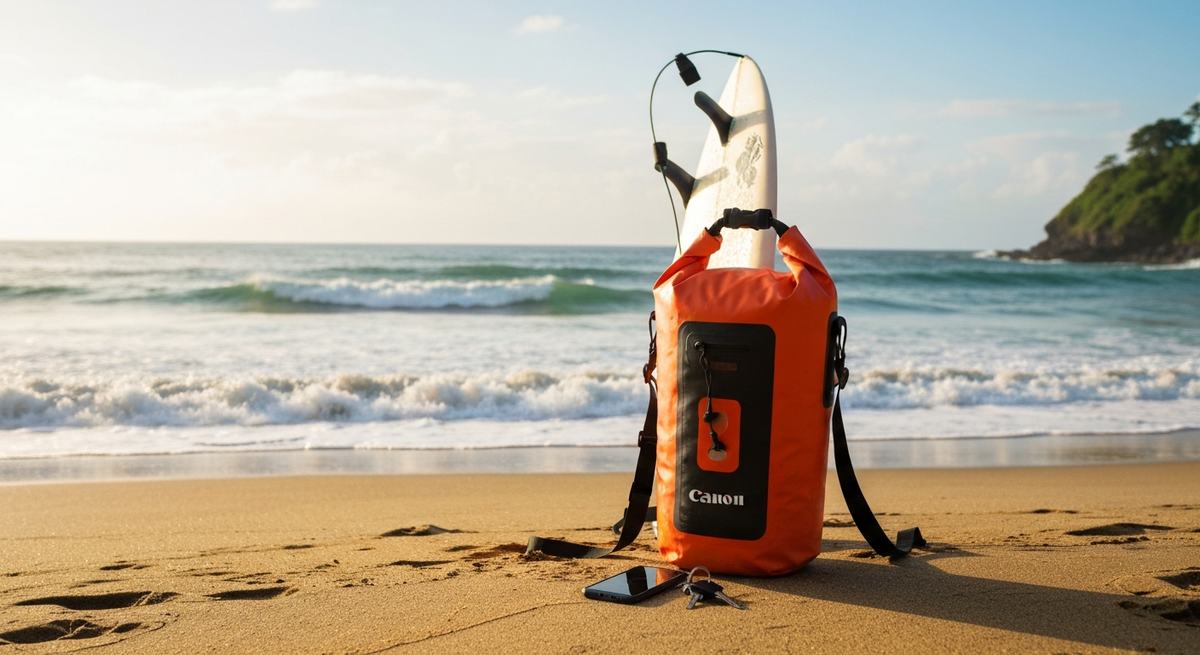
How do I protect my camera from sand and salt in El Paredon?
Use waterproof cases or dry bags to store your equipment when not in use. Clean your camera with a microfiber cloth after each session and avoid changing lenses on the beach.
What's the best time to photograph the sunset in El Paredón?
Golden hour in El Paredon is approximately 30-45 minutes before sunset, which occurs over the Pacific Ocean. It's the perfect time for silhouette photography and warm colors.
Are there photography tours in El Paredón?
While there are no specialized photography tours, you can hire local guides to access the best spots: the mangrove, the estuary, and the turtle nesting areas during the season.
What filters are useful for beach photography?
A UV filter protects the lens from salt and moisture. A polarizing filter reduces reflections from water and and sky. An ND filter is useful for photographing the sea with a silky effect.
Can I photograph the sea turtles in El Paredón?
Yes, during nesting season (July-November) you can photograph the release of neonates. Please respect the guides' instructions: no direct flash, do not touch the animals, and maintain your distance.